
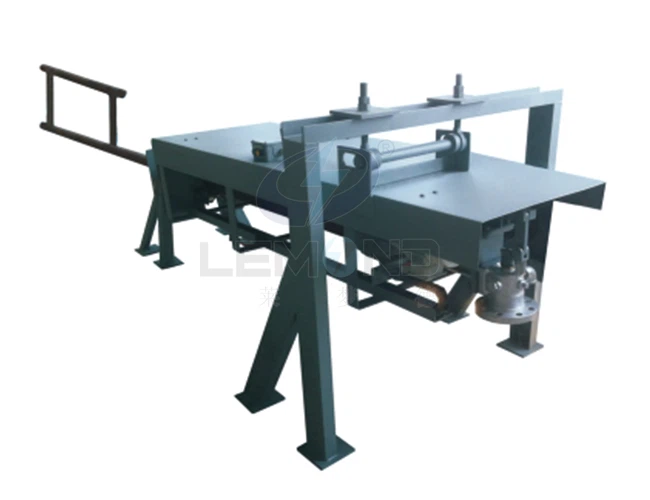
Soot Blowing Air Preheater systems is a critical process used in thermal power plants, industrial boilers, and waste heat recovery units to maintain optimal heat transfer efficiency and prevent equipment degradation. During combustion, soot, fly ash, and other by-products accumulate on the heat transfer surfaces of the air preheater, creating insulation layers that reduce thermal efficiency, increase fuel consumption, and risk corrosion. Without regular soot removal, performance deteriorates, fan energy usage spikes, and safety hazards such as acid dew point corrosion or APH fires may arise.
Modern air preheater systems—particularly rotary regenerative designs—rely heavily on soot blowing mechanisms to ensure consistent performance and low emissions. Whether through steam soot blowers, compressed air systems, or acoustic cleaning methods, effective soot blowing extends the life of preheater components, reduces maintenance frequency, and contributes to improved overall plant efficiency.
Why Soot Blowing is Crucial in Air Preheaters
Restores Thermal Efficiency
- The layer of soot acts as an insulator, reducing the ability of hot flue gases to transfer heat to incoming combustion air.
- This forces the boiler to burn more fuel to reach the same furnace temperature.
- Soot blowing helps restore original heat transfer coefficients and maintain overall boiler efficiency.
Reduces Backpressure on ID/FD Fans
- Deposits inside the APH restrict gas flow, causing higher pressure drops.
- This forces Induced Draft (ID) and Forced Draft (FD) fans to work harder, increasing parasitic power consumption.
- Removing soot via blowing reduces load on fans, thus saving electricity and prolonging fan life.
Prevents Corrosion and Acid Dew Point Damage
- At the cold end of the air preheater, flue gases may cool down to below the acid dew point (around 120–150°C), especially in high-sulfur fuels.
- Moisture in this region combines with SO₃ to form sulfuric acid, which deposits along with soot and causes severe corrosion.
- Regular soot blowing prevents acidic condensates from accumulating and damaging the metal surfaces.
Reduces Risk of APH Fires
- Incomplete soot removal or over-accumulation can lead to spontaneous ignition if hot flue gases pass over thick, unremoved soot.
- Blower malfunctions or uneven cleaning may lead to local hotspots that cause ignition.
- Scheduled soot blowing is critical to maintaining fire safety.
Types of Soot Blowing Systems Used in Air Preheaters
There are several soot blowing systems, each tailored to specific ash properties, boiler sizes, and operating philosophies:
Steam Soot Blowers
- Use superheated steam (at ~35–70 bar) released through nozzles or lances to remove heavy ash deposits.
- Common in large utility boilers where steam is readily available.
- Effective for sticky or heavy deposits but may cause moisture condensation at cold ends.
Air Soot Blowers
- Utilize compressed air (usually at 6–8 bar).
- Ideal for situations where steam is scarce, or where steam may cause corrosion or fouling due to moisture.
- Widely used in waste heat recovery boilers, fluidized bed boilers, or gas-fired plants.
Water-Based Soot Blowers (Hydro Jetting)
- Used intermittently for removing hardened, sticky soot especially in biomass and coal plants.
- Uses atomized or high-pressure water jets.
- Must be handled with caution as thermal shock or tube warping can occur.
Sonic Soot Blowers (Acoustic Cleaning)
- Emit low-frequency sound waves (75–350 Hz) that vibrate ash deposits loose without physical contact.
- Ideal for delicate components, economizers, or low-pressure finned surfaces.
- Work well for continuous online cleaning.
Maintenance, Monitoring & Safety Practices
- Regular visual inspections using boroscopes or cameras through access ports.
- Thermographic imaging to detect localized fouling or inefficient heat transfer.
- Periodic checks on:
- Lance tube alignment
- Blower nozzle wear
- Steam/air valve performance
- Operators should monitor unusual noise, pressure spikes, or flame rollbacks, which may indicate internal fouling or APH fires.
Latest Innovations in Soot Blowing Technology
AI-Driven Soot Blowing Systems
- Uses machine learning algorithms trained on historical plant data.
- Optimizes soot blowing frequency based on fuel changes, boiler load, and weather conditions (affecting stack draft).
- Helps reduce unnecessary cleaning, saving millions in operational costs annually in large plants.
Modular & Smart Blower Designs
- New compact, plug-and-play blower modules for retrofitting older plants.
- Equipped with real-time sensors, wireless data logging, and remote triggering capabilities.
Hybrid Acoustic + Pneumatic Blowing
- A combination of low-energy acoustic cleaning and high-pressure air bursts.
- Used in delicate APHs or low-NOx burners with fine-tuned geometries.
Soot Blowing Air Preheater is not just a routine maintenance task—it is a strategic operational process that directly impacts the fuel economy, heat rate, equipment life, and safety of a thermal power plant or industrial boiler system.
In modern-day boilers using a wide variety of fuels (coal, petcoke, RDF, biomass, etc.), soot characteristics vary widely, requiring adaptive, smart soot blowing strategies. With innovations such as AI-based control, real-time soot monitoring, and hybrid cleaning technologies, soot blowing is evolving from manual scheduling to a predictive, automated, and efficiency-enhancing process.
Effective soot blowing ensures that your air preheater operates at peak efficiency, prevents unplanned shutdowns, reduces maintenance costs, and extends the life of expensive components — all while keeping energy efficiency and emissions under control.