
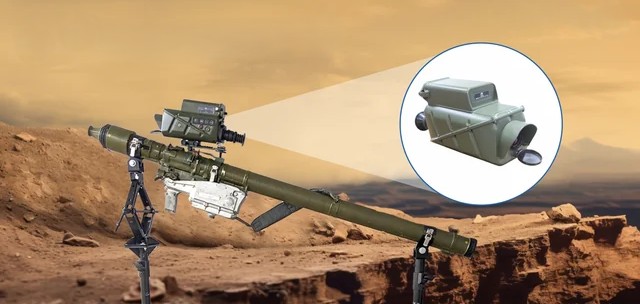
Smart Thermal Systems Military applications are becoming essential as modern defense platforms are packed with sensitive electronics, high-energy weapons, and autonomous systems—all of which generate significant heat. These systems are not just traditional cooling mechanisms; they involve intelligent, adaptive, and mission-specific thermal control technologies that maintain optimal performance across a wide range of harsh environmental conditions.
Unlike conventional thermal management, smart thermal systems integrate sensors, artificial intelligence (AI), feedback control loops, and hybrid cooling methods to predict, detect, and mitigate thermal stress in real-time. They are crucial in preventing overheating, increasing system reliability, and enabling the operation of sophisticated military technologies in combat zones, arctic conditions, or deserts.
What Makes a Thermal System ‘Smart’?
A smart thermal system goes beyond basic cooling by embedding sensing, control, automation, and optimization capabilities. These systems:
- Monitor temperature at multiple points
- Predict heat accumulation using algorithms
- React dynamically with variable cooling output
- Communicate with the main control system or soldier interface
- Learn and adapt over time for performance tuning
This intelligence is what separates a smart thermal system from conventional passive or manually controlled systems.
Core Components and Technologies
Thermal Sensors and Data Acquisition Units
- Detect and relay real-time temperatures from critical components.
- Used in processors, battery packs, laser optics, and more.
- Often integrated with wireless or fiber-optic communication for high-speed feedback.
AI-Powered Controllers
- Analyze sensor data to predict overheating trends.
- Make autonomous decisions like increasing coolant flow, adjusting fan RPM, or switching to backup cooling.
- Utilize machine learning models for continuous optimization.
Hybrid Cooling Systems
Combine multiple technologies to manage different types of heat loads:
- Liquid cooling loops: For high-intensity systems like radar or laser cannons.
- Thermoelectric coolers (TECs): For compact electronics or wearables.
- Phase Change Materials (PCMs): For absorbing peak loads during brief missions.
- Heat pipes and vapor chambers: For efficient heat spreading in compact spaces.
Key Military Platforms Using Smart Thermal Systems
Ground Combat Vehicles (Tanks, IFVs, MRAPs)
- Systems manage heat from onboard computers, laser rangefinders, electric propulsion, and climate control.
- Failsafe thermal systems are essential in desert warfare and enclosed hulls.
- Smart systems adjust based on terrain (e.g., idle vs. combat movement).
Unmanned Aerial Vehicles (UAVs)
- Payloads like HD cameras, infrared sensors, and communication links generate heat in confined spaces.
- Weight is a premium; hence, compact, efficient smart cooling is vital for mission time and component safety.
Naval Platforms (Destroyers, Submarines, Aircraft Carriers)
- Electronics like sonar systems, radar towers, and propulsion motors run in closed, high-humidity environments.
- Smart thermal systems prevent overheating in critical systems and aid in reducing thermal signature to evade detection.
Soldier-Wearable Systems
- Thermal regulation in wearables like augmented reality goggles, exoskeletons, body cameras, and communication headsets.
- Integrated with lightweight TECs, phase-change vests, or smart fabrics to keep the soldier comfortable without power drain.
Real-World Examples of Deployment
- F-35 Fighter Jet: Uses smart thermal management for avionics, sensors, and cockpit electronics.
- USS Zumwalt-class Destroyer: Integrates advanced liquid cooling for railgun and radar systems.
- DARPA’s Warrior Web Exosuit: Features TEC-based modules for thermal regulation in wearable exoskeletons.
- MQ-9 Reaper Drone: Utilizes compact smart cooling to manage camera and laser-guided systems.
Advantages of Smart Thermal Systems in Defense
- Improved Mission Endurance: No overheating means longer operational times.
- Higher Equipment Lifespan: Less thermal fatigue on electronic components.
- Reduced Downtime: Predictive maintenance alerts reduce unplanned failures.
- Low Thermal Signature: Helps avoid IR-based enemy targeting.
- Increased Combat Readiness: Faster cooldown enables repeat-fire weapons or rapid redeployment.
Smart Thermal Systems Military operations are not just technological upgrades—they are mission-critical enablers of modern warfare. As defense platforms evolve with heavier electronics, autonomous systems, and laser-based weaponry, the thermal burden increases. By using AI, hybrid cooling technologies, predictive control, and modular design, smart thermal systems maintain performance, safety, and stealth in even the harshest combat scenarios.
Whether embedded in a UAV, inside a naval vessel, or on the back of a soldier, these intelligent systems ensure that heat never becomes a weak point in critical missions. As military operations continue to digitize, thermal intelligence will be as vital as firepower.