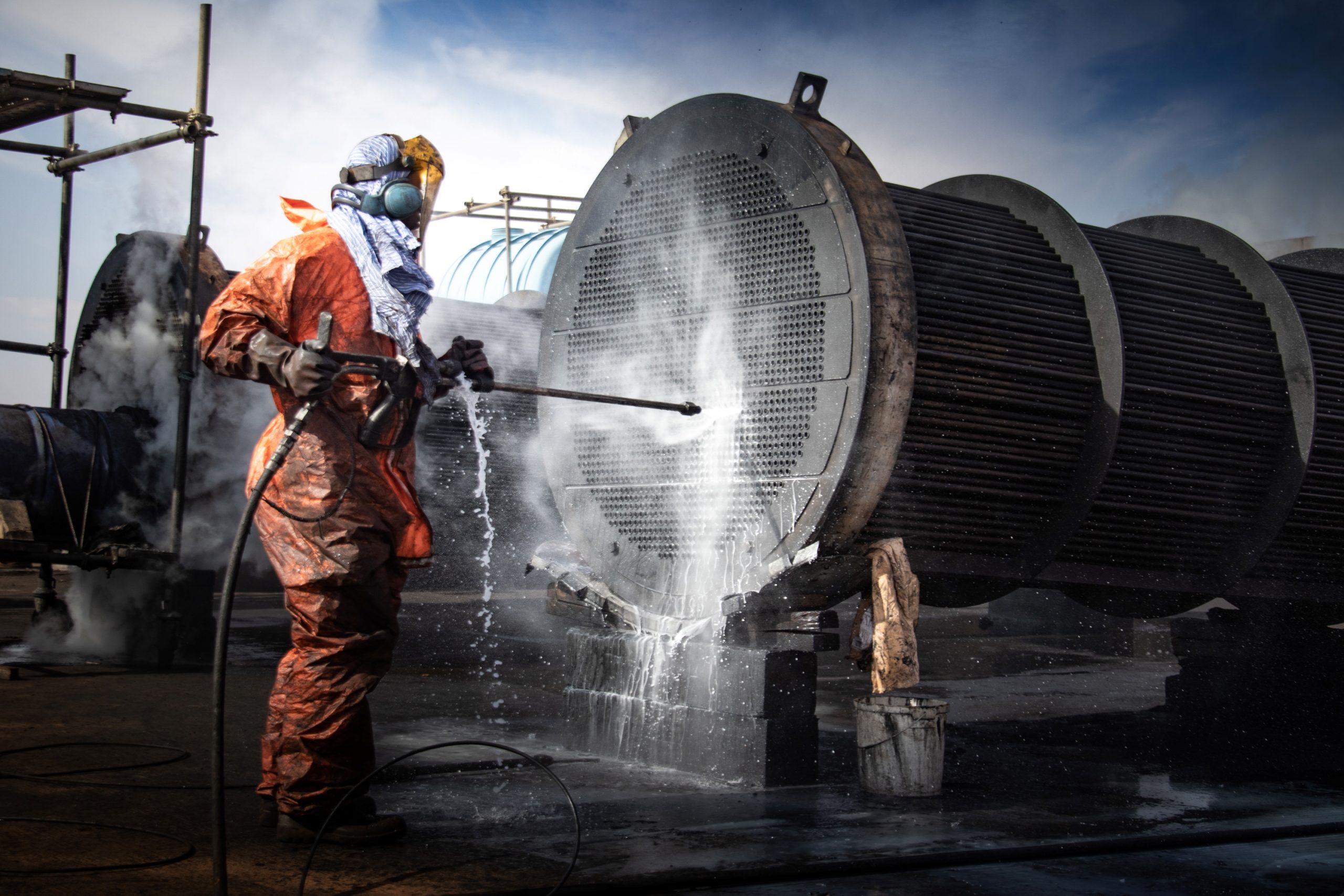
Heat exchangers are the silent workhorses of countless industrial processes, from HVAC systems to chemical production. Their primary function—efficient heat transfer—is critical to energy efficiency and system performance. However, over time, performance degrades due to fouling, scaling, and corrosion. Implementing a robust heat exchanger cleaning and maintenance program is essential to prevent costly downtime and maximize the lifespan of your equipment.
The Fouling Problem: Why Cleaning is Crucial
Fouling refers to the accumulation of deposits on the heat transfer surfaces. These deposits can include:
- Scaling: Hard mineral deposits (calcium carbonate, silica).
- Biological Fouling (Biofouling): Algae, bacteria, and other microorganisms.
- Particulate Fouling: Dust, rust, and debris carried in the fluid.
- Chemical Reaction Fouling: Products formed from chemical reactions within the fluid.
Fouling creates an insulating layer, dramatically reducing the overall heat transfer coefficient ($U$) and forcing the system to consume more energy to achieve the desired temperature.
Top Cleaning and Maintenance Tips
1. Chemical Cleaning (Circulation)
Chemical cleaning is a highly effective non-dismantling method for removing scale and deposits from the interior surfaces of plate or shell-and-tube exchangers.
- Process: Circulate specialized chemical solutions (acids, chelants, or proprietary cleaning agents) through the exchanger, typically at elevated temperatures, to dissolve the deposits.
- Tip: Always consult the manufacturer’s material compatibility guide before selecting a chemical agent to avoid damaging gaskets or metal surfaces. Neutralize and flush the system thoroughly after cleaning.
2. Mechanical Cleaning (Physical Methods)
Mechanical methods are often used for shell-and-tube exchangers and require opening or dismantling the unit.
- Tube Cleaning: Use high-pressure water jetting (up to 20,000 psi) or specialized brush and rod systems to physically scour the inside of the tubes. This is highly effective for removing hard scale.
- Plate Cleaning (Plate Exchangers): Plates must be disassembled and individually cleaned using soft brushes and high-pressure washing. Never use metal brushes or abrasive materials that could scratch the plate surfaces.
3. Proactive Maintenance
- Regular Monitoring: Consistently track the Overall Heat Transfer Coefficient ($U$ value) and the Approach Temperature. A steady increase in the Approach Temperature is the earliest indicator of fouling.
- Water Treatment: Implement a rigorous water treatment program (e.g., filtration, softeners, chemical inhibitors) to control mineral concentration and biological growth in the process fluids. This is the best long-term defense against scaling and biofouling.
- Gasket and Plate Inspection: For plate heat exchangers, regularly inspect the gaskets for signs of wear, hardening, or cracking, and check plates for warping or signs of corrosion pitting.
By incorporating these tips, you can significantly extend the time between major overhauls, minimize operational costs, and maintain peak thermal performance.