
Introduction
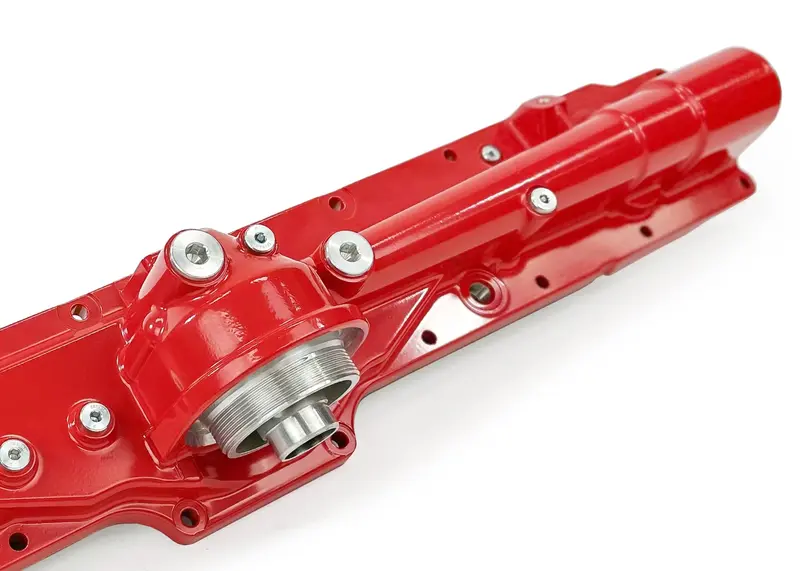
Dual Oil Cooler is a specialized setup that incorporates two oil coolers within a single system to efficiently manage heat generated in engine oil, hydraulic oil, or gear oil circuits. These systems are essential in applications where a single oil cooler may not provide adequate thermal performance, or where redundancy and enhanced heat dissipation are critical to maintaining system reliability.
Oil is a vital fluid in many systems—not just as a lubricant, but also as a coolant and power transmission medium in hydraulics. Excessive oil temperature can lead to:
- Reduced lubrication efficiency
- Increased wear and tear
- Oil oxidation and sludge formation
- Seal and gasket degradation
Thus, keeping oil within its optimal temperature range is vital for system health, especially under high load, continuous operation, or extreme environmental conditions.
How Does a Dual Oil Cooler Work?
A Dual Oil Cooler system uses two separate cooling units to extract heat from the oil. The way they are connected determines their cooling strategy:
Parallel Configuration
- Flow Split: The hot oil is divided into two streams, each going to a separate cooler.
- Cooling: Both streams are cooled simultaneously.
- Merge: The two cooled streams rejoin and return to the system.
This configuration reduces resistance in the system, allows for higher total flow rates, and minimizes the pressure drop. It is particularly effective in systems that require fast and efficient cooling under continuous heavy-duty operation.
Series Configuration
- Single Path: Oil flows through one cooler, then directly into the second.
- Staged Cooling: The first stage reduces the temperature significantly, and the second brings it even lower.
This setup is ideal when maximum cooling performance is needed, such as in systems where oil temperatures are extremely high. However, it introduces more flow resistance and a higher pressure drop, which must be managed in system design.
Where and Why is it Used?
Automotive Industry
- High-performance and racing engines require dual oil coolers to prevent oil thinning and engine damage at high RPMs.
- Off-road and towing vehicles also use them to prevent thermal overload in transmission and engine oil during heavy-duty tasks.
Industrial Machinery
- Equipment such as presses, injection molding machines, and metal-forming machinery often experience prolonged high-temperature operation.
- A dual oil cooler prevents overheating of hydraulic fluids that drive actuators and controls.
Marine Engines
- In marine propulsion systems, gearbox and engine oils are cooled using dual coolers, especially in larger vessels or those operating in hot climates.
- Redundancy is critical here since equipment failure at sea can be catastrophic.
Aerospace and Defense
- Aircraft hydraulic and lubrication systems often use dual coolers to ensure cooling is maintained even if one unit fails, ensuring flight safety.
Key Features & Benefits
- Higher Cooling Capacity
Dual systems allow for increased surface area and better heat rejection, vital for extended or high-load operations. - Redundancy and Safety
In mission-critical applications, one cooler can be isolated or taken offline for maintenance without interrupting operation. - Reduced Oil Degradation
Properly cooled oil maintains its viscosity and resists oxidation, extending oil and component life. - Extended Equipment Lifespan
Stable operating temperatures prevent wear and breakdowns in pumps, bearings, and seals. - Flexible Mounting Options
Two smaller coolers can be arranged creatively in tight spaces where one large unit wouldn’t fit. - Thermostatic and Bypass Control
Advanced dual cooler systems often include automatic valves that direct oil flow to one or both coolers depending on temperature, optimizing efficiency.
Design Considerations
When designing or selecting a dual oil cooler system, consider:
- Type of oil (engine, hydraulic, synthetic, mineral)
- Viscosity and operating temperature range
- Desired oil flow rate
- Ambient temperature and cooling medium (air, water, or both)
- Installation space constraints
- System pressure limits
- Serviceability and access for cleaning or replacement
Conclusion
Dual Oil Cooler system is an advanced, efficient solution for applications that demand enhanced cooling, thermal stability, and system protection under demanding conditions. Whether for engines, hydraulics, gearboxes, or industrial applications, dual coolers ensure your system runs within optimal temperature limits—reducing downtime, preventing costly failures, and boosting overall performance. Their ability to distribute heat load, provide redundancy, and adapt to high-demand environments makes them indispensable in modern thermal management strategies.